

This article guides individuals considering a tummy tuck on how to choose the best surgeon for their needs, covering essential aspects such as board certification, experience with abdominoplasty procedures, communication style, and the importance of realistic expectations to ensure patient satisfaction and optimal outcomes with this body contouring surgery. Key factors to consider are qualifications and experience to achieve the best possible results, aiding readers in making an informed decision about their Tummy Tuck surgery and surgeon selection.
Deciding to undergo a Tummy Tuck is a significant step, and choosing the right surgeon is paramount to achieving the results you desire. A Tummy Tuck, also known as abdominoplasty, can dramatically improve the appearance of your abdomen by removing excess skin and fat, and tightening abdominal muscles. However, the success of this procedure heavily relies on the skill and experience of the surgeon you select. This guide will walk you through the key considerations to help you make an informed decision.
Understanding the Tummy Tuck Procedure
Before diving into how to choose a surgeon, it’s essential to understand what a Tummy Tuck entails. The procedure typically involves making an incision across the lower abdomen, removing excess skin and fat, and tightening the abdominal muscles. In some cases, liposuction may also be used to refine the contours of the abdomen. Different types of Tummy Tucks exist, including full, mini, and extended Tummy Tucks, each addressing different levels of correction needed. Your surgeon will assess your specific needs and recommend the most appropriate technique.
Evaluate Experience with Abdominoplasty Procedures
Review Before-and-After Photos
Schedule Multiple Consultations for Your Tummy Tuck
Assess Communication and Rapport
Consider Hospital Affiliations and Accreditation
Understand the Costs and Financing Options
Check for Disciplinary Actions and Malpractice History
Set Realistic Expectations
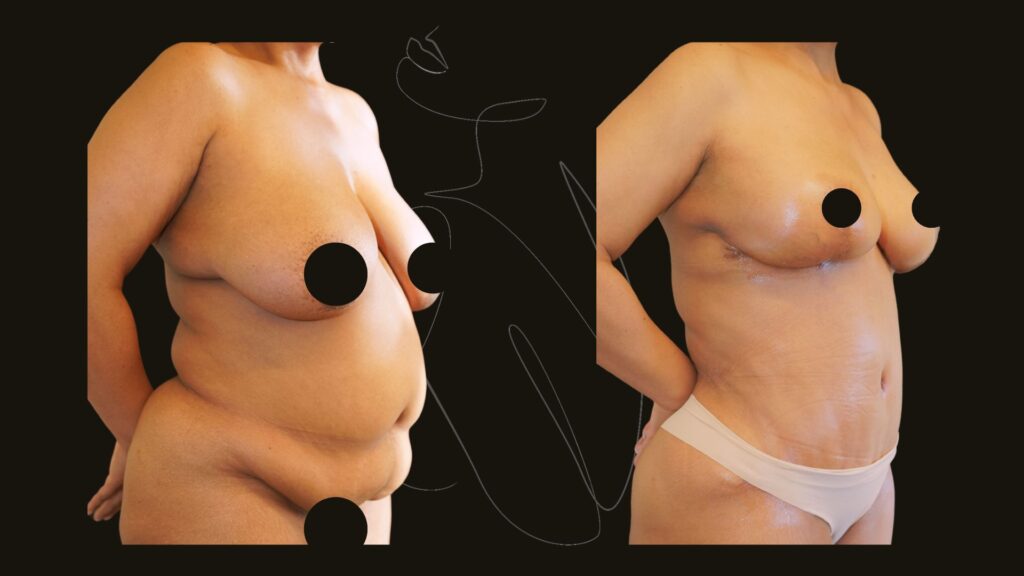
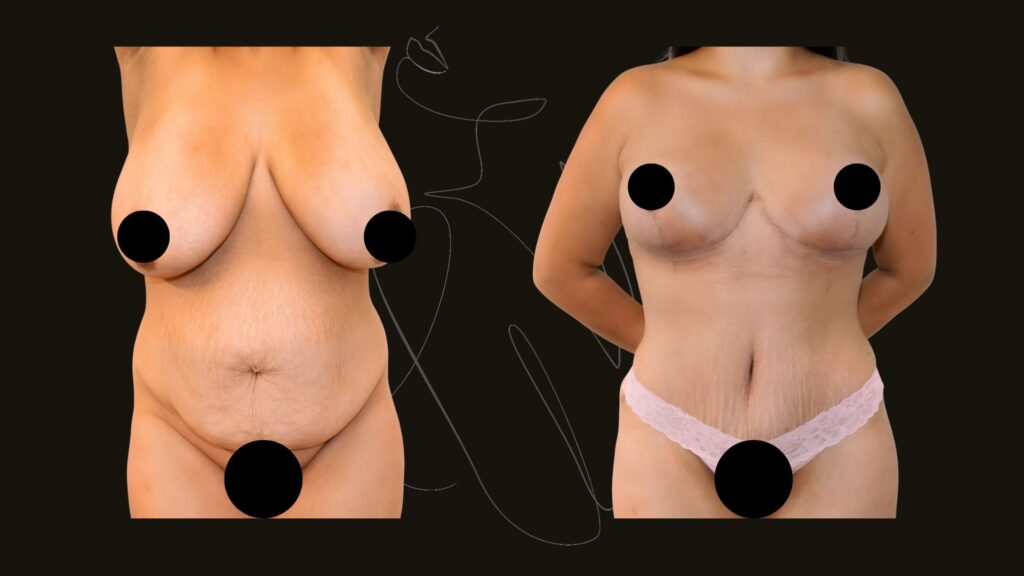
My Experience with a Patient Seeking a Tummy Tuck
When I consulted with Sarah, a 42-year-old mother of two, she was frustrated with the loose skin and muscle laxity in her abdomen following her pregnancies. She had researched Tummy Tuck procedures extensively but was overwhelmed by the number of surgeons in the area. During our initial consultation, I spent ample time listening to her concerns and understanding her goals. I explained the different types of Tummy Tucks and recommended a full Tummy Tuck with muscle repair to address her specific needs. I showed her several before-and-after photos of patients with similar body types and explained the potential risks and complications associated with the procedure.
Sarah scheduled consultations with two other surgeons before making her decision. She ultimately chose me because she felt that I was the most honest and transparent about what she could expect from the surgery. She also appreciated that I took the time to answer all of her questions and made her feel comfortable and confident. We proceeded with the surgery three months later. The procedure went smoothly, and Sarah had a relatively uneventful recovery. After three months, she was thrilled with the results. Her abdomen was flatter and more toned, and she felt more confident and comfortable in her clothes. In my experience, the key to a successful Tummy Tuck is careful planning, realistic expectations, and a strong surgeon-patient relationship.
Common Mistakes to Avoid When Choosing a Surgeon for Tummy Tuck
Focusing solely on price:
While cost is a factor, prioritizing price over quality and experience can lead to unsatisfactory results and potential complications.
Ignoring patient reviews and testimonials:
Patient feedback provides valuable insights into a surgeon's bedside manner, communication style, and overall patient satisfaction.
Choosing the right surgeon for a Tummy Tuck is a critical decision that can significantly impact the outcome of your surgery. By following these steps and doing your due diligence, you can find a qualified and experienced surgeon who can help you achieve your aesthetic goals and improve your quality of life.
Frequently Asked Questions
What is Tummy Tuck and what does it correct?
A Tummy Tuck, or abdominoplasty, is a surgical procedure to remove excess skin and fat from the abdomen and tighten abdominal muscles. It corrects issues like loose skin after pregnancy or weight loss, improving the abdomen’s shape and tone.
How long does a Tummy Tuck surgery take?
The duration of a Tummy Tuck surgery can vary based on the extent of the procedure. Typically, a full Tummy Tuck takes between two to five hours, while a mini Tummy Tuck may take one to two hours. The exact duration will be discussed during your consultation.
What makes a Tummy Tuck effective for abdominal contouring?
A Tummy Tuck is effective because it directly addresses excess skin and weakened abdominal muscles, creating a smoother and firmer abdominal profile. Combining skin removal with muscle tightening provides a comprehensive solution for those looking to improve their abdominal appearance.
What mistakes should I avoid with Tummy Tuck procedures?
Common mistakes to avoid include neglecting post-operative care instructions, not maintaining a stable weight, and having unrealistic expectations. Adhering to your surgeon’s guidance and understanding the procedure’s limitations are crucial for a successful outcome.
What factors contribute to the overall cost of a Tummy Tuck?
The cost of a Tummy Tuck varies depending on the surgeon’s fees, anesthesia costs, facility fees, and geographical location. It’s essential to get a detailed breakdown of all expenses during your consultation to understand the total investment source.