
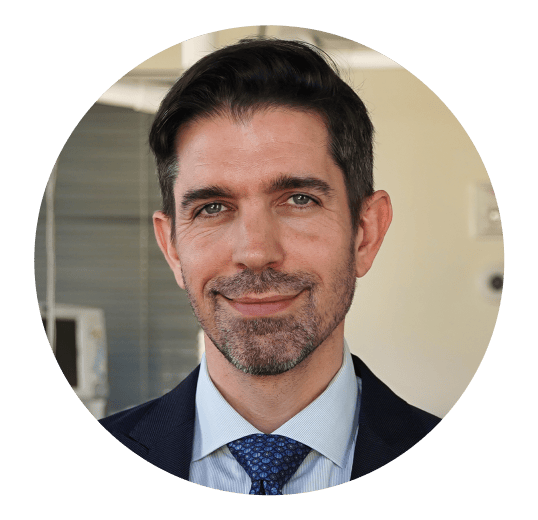
By Dr. Itay Wiser, MD, PhD, Associate Clinical Professor of Surgery at Mount Sinai Elmhurst Hospital, fellowship-trained in aesthetic and reconstructive breast surgery at Lenox Hill Hospital. Medically reviewed September 2026.
The rule of thumb: six to twelve months after delivery, at least three to six months after you stop breastfeeding, and once your weight has been stable for several months. Each wait has a reason, and the reasons are the useful part. Dr. Itay Wiser, whose practice plans mommy makeovers around the reality of family life, explains them below with a readiness checklist you can use.
Why each wait matters
| The wait | What is still changing | Why operating earlier is a mistake |
|---|---|---|
| Six to twelve months after delivery | The abdominal wall is tightening, skin is retracting, fluid is shifting, hormones are normalizing | The surgery would treat a moving target; some of what you would remove would have tightened on its own |
| Three to six months after breastfeeding | Milk ducts are shrinking, breast volume is settling | A lift or implant sized to a still-changing breast gives a result that changes with it |
| Several months of stable weight | Fat volume and skin are adjusting to your new weight | Further loss deflates the result; regain stretches it |
| A complete family (ideally) | Nothing, and that is the point | Another pregnancy stretches the muscle repair and skin again; revision may be needed |
Weight stability, and what to do if you are still losing
If you are still losing weight, especially a large amount with a GLP-1 medication or after bariatric surgery, wait, and read body contouring after weight loss: the skin and the plan are different after major weight loss. Dr. Wiser's surgical readiness program helps patients reach a stable weight and time surgery, including the anesthesia planning needed around GLP-1 medications. A breast lift after weight loss is covered separately.
Done having kids? An honest note
Surgeons ask this because they want the result to last, not to turn anyone away. A tummy tuck repairs the separated muscles and removes stretched skin; another pregnancy stretches both again, and the result may need revision. Some women choose to proceed anyway with that understanding, and that is a legitimate decision to make with full information.
Readiness checklist
- Six to twelve months since delivery.
- Three to six months since your last breastfeed.
- Weight stable for several months.
- Not planning a pregnancy in the next few years, or informed about the trade-off.
- Healthy, non-smoker for at least a month before and after surgery.
- Two weeks of help at home arranged, and a plan for lifting the children.
When most of these are true, the complete mommy makeover guide is the next step: what can be combined, whether one session or two is right, and what it costs.
Frequently asked questions
What is the earliest I can have a mommy makeover after giving birth?
Most surgeons, Dr. Wiser included, recommend at least six months after delivery and often twelve, so the abdominal wall, skin and hormones have settled and the surgery treats the finished result of pregnancy.
How long after breastfeeding should I wait for breast surgery?
Three to six months after your last feed. Milk ducts and breast volume keep changing for months after weaning, and operating earlier risks a result that changes as the breast settles.
Does my weight need to be stable?
Yes, for several months. Further loss after surgery deflates the result and regain stretches it. If you are still losing a large amount, the after-weight-loss pathway comes first.
Should I wait until I am done having children?
Ideally. Another pregnancy stretches the muscle repair and the skin again, and the result may need revision. Surgeons say this because they want the result to last, not to turn patients away.
Can I have a C-section scar revised at the same time?
Usually, yes. A tummy tuck removes the skin that includes a low C-section scar, and the new incision is placed low and hidden. Raise it at the consultation.
Not sure if it is too early?
The free virtual consultation is a good use of the waiting period: Dr. Wiser tells you where you are on the timeline and what to do before surgery so the result lasts.
About the author. Dr. Itay Wiser, MD, PhD is Associate Clinical Professor of Surgery at Mount Sinai Elmhurst Hospital. He completed a reconstructive microsurgery fellowship in aesthetic and reconstructive breast surgery at Lenox Hill Hospital and a lymphedema surgery fellowship at Memorial Sloan Kettering Cancer Center, and holds a PhD in epidemiology and public health. He practices at 535 Fifth Avenue in Manhattan.
Medical disclaimer: This page is for general education and does not replace an individual consultation. Recovery times are typical ranges and insurance criteria vary by plan.