

This guide provides a detailed explanation of the different types of breast implants available for breast augmentation, including saline and silicone options, as well as round and teardrop shapes, to help women understand their choices and make informed decisions with their plastic surgeon to achieve their desired aesthetic outcomes while prioritizing safety and natural-looking results, a crucial aspect of breast augmentation.
Choosing the right type of breast implant is a crucial decision when considering breast augmentation. The ideal implant will depend on your individual anatomy, aesthetic goals, and lifestyle. This guide will walk you through the various types of breast implants, helping you understand the nuances of each option and empowering you to have a productive conversation with your surgeon.

Saline vs. Silicone: Understanding Implant Material
One of the first decisions you’ll make is choosing between saline and silicone implants. Both types have a silicone outer shell, but they differ in what they’re filled with.
Round vs. Teardrop: Shaping Your Breast Augmentation Results
Beyond the fill material, the shape of the implant also plays a significant role in the final outcome of your breast augmentation.
Round Implants
Round implants are a popular choice because they provide fullness in the upper pole of the breast, creating a more augmented appearance. They are also more forgiving in terms of rotation, as their shape remains the same regardless of orientation. When I consult with patients seeking a more projected and lifted look, I often recommend round implants.
Teardrop Implants (Anatomical)
Teardrop implants, also known as anatomical implants, mimic the natural slope of a breast. They are designed to have more volume at the bottom and a gentle slope towards the top. This shape can provide a very natural-looking result, but it’s crucial that they are positioned correctly. If a teardrop implant rotates, it can lead to an unnatural appearance. Teardrop implants are an option to consider when you have breast augmentation.

Smooth vs. Textured: Considering Implant Surface
The surface of a breast implant can be either smooth or textured, each with its own set of characteristics and considerations.
Smooth Implants
Smooth implants have a long history of use and are known for their soft feel. They tend to move more freely within the implant pocket, which some patients find more natural. However, this movement can also sometimes lead to rippling, particularly in patients with less breast tissue.
Textured Implants
Textured implants have a rougher surface, which helps them adhere to the surrounding tissue. This reduces the risk of rotation, which is especially important for teardrop implants. Texturing was initially developed to reduce capsular contracture. However, certain types of textured implants have been linked to a rare form of lymphoma called BIA-ALCL, leading to increased scrutiny and, in some cases, removal from the market. Choosing between smooth and textured implants requires a thorough discussion with your surgeon to weigh the risks and benefits.
Size Matters: Finding the Right Volume for Breast Augmentation
Selecting the appropriate implant size is a critical aspect of breast augmentation. Size is measured in cubic centimeters (cc’s), and the right volume depends on your existing breast tissue, chest width, and desired outcome. It’s essential to have a realistic expectation of what can be achieved, and your surgeon can help guide you through this process. We utilize 3D imaging to help patients visualize potential outcomes with different implant sizes. This allows for a more collaborative approach to size selection, ensuring that the patient is happy with the predicted results.
The Consultation: Your First Step Towards Breast Augmentation
The consultation is a vital part of the breast augmentation process. This is your opportunity to discuss your goals, ask questions, and address any concerns you may have. During the consultation, your surgeon will evaluate your anatomy, discuss your options, and help you determine the best type of implant to achieve your desired results. Be prepared to discuss your medical history, any medications you’re taking, and any previous surgeries you’ve had. A thorough consultation is essential for a safe and successful breast augmentation.
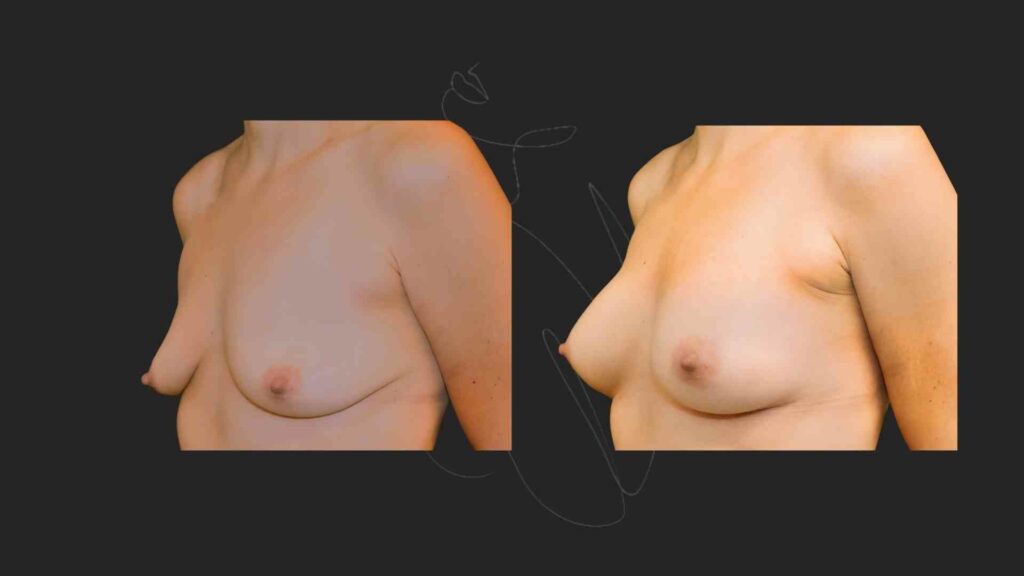
Case Study: My Experience with Implant Selection
When I worked with a patient, a 35-year-old woman who wanted to enhance her breast size and shape after having children, we spent a significant amount of time discussing the different types of implants available. She was initially drawn to the idea of silicone implants due to their natural feel, but was also concerned about the potential risks. After a thorough examination and discussion, we decided on smooth, round silicone implants. The goal was to achieve a subtle but noticeable enhancement that complemented her body type. The surgery took approximately 90 minutes, and she was able to return home the same day. Over the course of 3 weeks, she followed all postoperative instructions carefully, including wearing a surgical bra and avoiding strenuous activity. After 2 months, she was thrilled with the results, reporting a significant boost in her confidence and self-esteem. The key to her success was a detailed consultation, careful implant selection, and adherence to postoperative care guidelines.
More About Breast Surgeries at Wiser MD
Potential Mistakes to Avoid with Breast Augmentation
Choosing the wrong size implant is a common pitfall. Many patients overestimate or underestimate the size that will look best on their body. Overly large implants can lead to complications such as back pain and skin stretching. Another mistake is not adequately considering the implant shape. Round implants may not be the best choice for patients with minimal breast tissue, as they can create an unnatural appearance. Additionally, neglecting postoperative care can compromise the results and increase the risk of complications. Following your surgeon’s instructions is essential for a smooth recovery and optimal outcome.
Improving Your Breast Augmentation Outcome
To optimize your breast augmentation outcome, consider these tips:
- Choose a board-certified plastic surgeon: Ensure that your surgeon has extensive experience and a strong track record in breast augmentation.
- Have realistic expectations: Understand that breast augmentation can enhance your appearance, but it won’t solve all your problems.
- Follow postoperative instructions: Adhere to all guidelines provided by your surgeon to promote healing and minimize complications.
- Maintain a healthy lifestyle: A stable weight and healthy habits can help preserve your results over time.
Taking the Next Steps
Understanding the different types of breast implants is essential for making an informed decision about breast augmentation. By considering the material, shape, and surface of the implants, as well as your individual anatomy and aesthetic goals, you can work with your surgeon to achieve the best possible outcome. Schedule a consultation with a board-certified plastic surgeon to discuss your options and develop a personalized treatment plan.
Frequently Asked Questions
What is breast augmentation?
Breast augmentation is a surgical procedure designed to enhance the size and shape of the breasts using breast implants. It is often performed to increase breast volume, improve breast symmetry, or restore breast size after weight loss or pregnancy.
How long does recovery from breast augmentation take?
Recovery from breast augmentation typically takes several weeks. Most patients can return to light activities within a week, but strenuous exercise should be avoided for at least 4-6 weeks. Swelling and bruising are common during the initial recovery period.
What makes silicone breast augmentation effective?
Silicone breast implants are effective because they offer a natural look and feel, and allow for a variety of shapes and sizes to suit individual preferences. Many patients find that silicone implants provide a more realistic and aesthetically pleasing result compared to other options.
What mistakes should I avoid with breast augmentation?
Common mistakes to avoid with breast augmentation include choosing an inexperienced surgeon, selecting the wrong implant size or shape, and neglecting postoperative care. Thorough research and careful planning are essential for a successful outcome.
What are the different types of breast implants?
There are two main types of breast implants: saline and silicone. Saline implants are filled with sterile salt water, while silicone implants are filled with silicone gel. They also come in different shapes, such as round and teardrop (anatomical), and with different surface textures, such as smooth and textured.
Breast augmentation is a surgical procedure designed to enhance the size and shape of the breasts using breast implants. It is often performed to increase breast volume, improve breast symmetry, or restore breast size after weight loss or pregnancy.
Recovery from breast augmentation typically takes several weeks. Most patients can return to light activities within a week, but strenuous exercise should be avoided for at least 4-6 weeks. Swelling and bruising are common during the initial recovery period.
Silicone breast implants are effective because they offer a natural look and feel, and allow for a variety of shapes and sizes to suit individual preferences. Many patients find that silicone implants provide a more realistic and aesthetically pleasing result compared to other options.
Common mistakes to avoid with breast augmentation include choosing an inexperienced surgeon, selecting the wrong implant size or shape, and neglecting postoperative care. Thorough research and careful planning are essential for a successful outcome.
There are two main types of breast implants: saline and silicone. Saline implants are filled with sterile salt water, while silicone implants are filled with silicone gel. They also come in different shapes, such as round and teardrop (anatomical), and with different surface textures, such as smooth and textured.